

Clients often ask whether the website is “made by artificial intelligence”. It is a fair question, because the market is full of sites that really were made in one evening with an AI tool and with nobody responsible for them. The answer is no, but without AI we would work more slowly. In our process AI is a fast assistant with clearly drawn boundaries. The machine writes the draft, a person signs off the result.
Where AI saves us time
Research and a draft structure
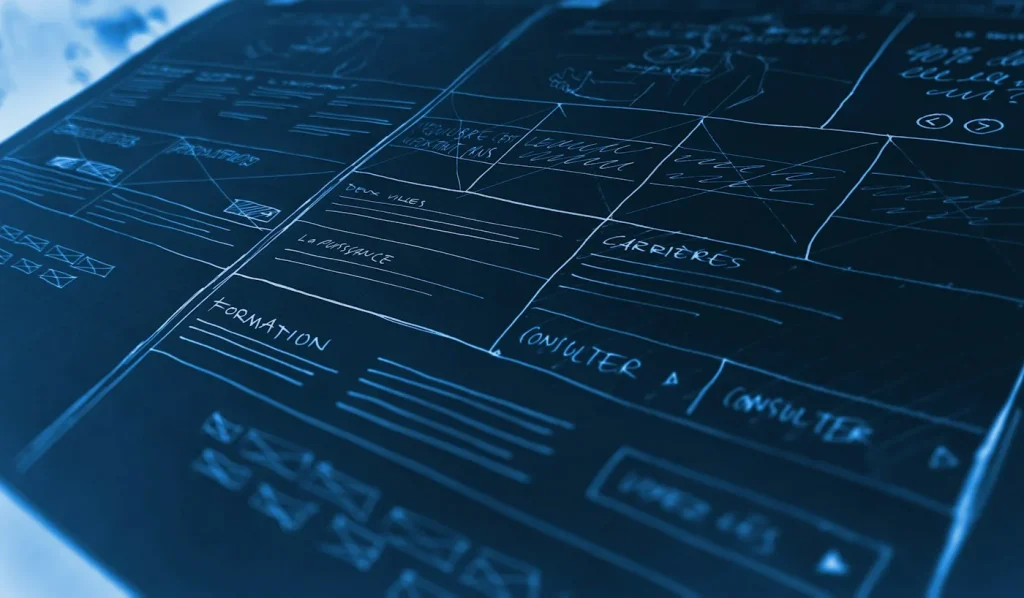
Before design we gather what clients in the industry search for and what competitors offer. AI helps sort this information quickly and suggests a first sitemap. We use it as a starting point for discussion, not as a finished plan.
The first version of the copy
Once the structure is approved, AI helps write the first draft from our notes and the client’s answers. Then we rewrite the copy in a human voice, check the facts and remove anything that sounds like a template.
Routine coding
Repeating blocks, field definitions, schema data, tests and checklists. This is work where mistakes are easy to spot and speed translates directly into savings for the client.
Quality checks
Alt texts, accessibility checks, link and heading structure checks. AI catches slips that a person no longer sees after the eighth hour.
Where we keep AI out
- Decisions
- The site structure, service priorities and design direction are set by a person who has talked to the client and understands their business.
- Facts
- Prices, deadlines, guarantees and client results are never written by a model. Every figure comes from the client or from data.
- Data
- We do not enter clients’ personal data, access details or contracts into public AI tools.
- Security
- Code that handles payments, forms or user data is reviewed line by line by a developer.
- Voice
- The final copy is read and approved by a person. If it sounds like AI, it is not ready.
What it looks like on a single project
To keep this concrete, here is how the work splits on a typical website project:
- Conversation with the client and goals: person
- Competitor and search research: AI, checked by a person
- Sitemap and priorities: person
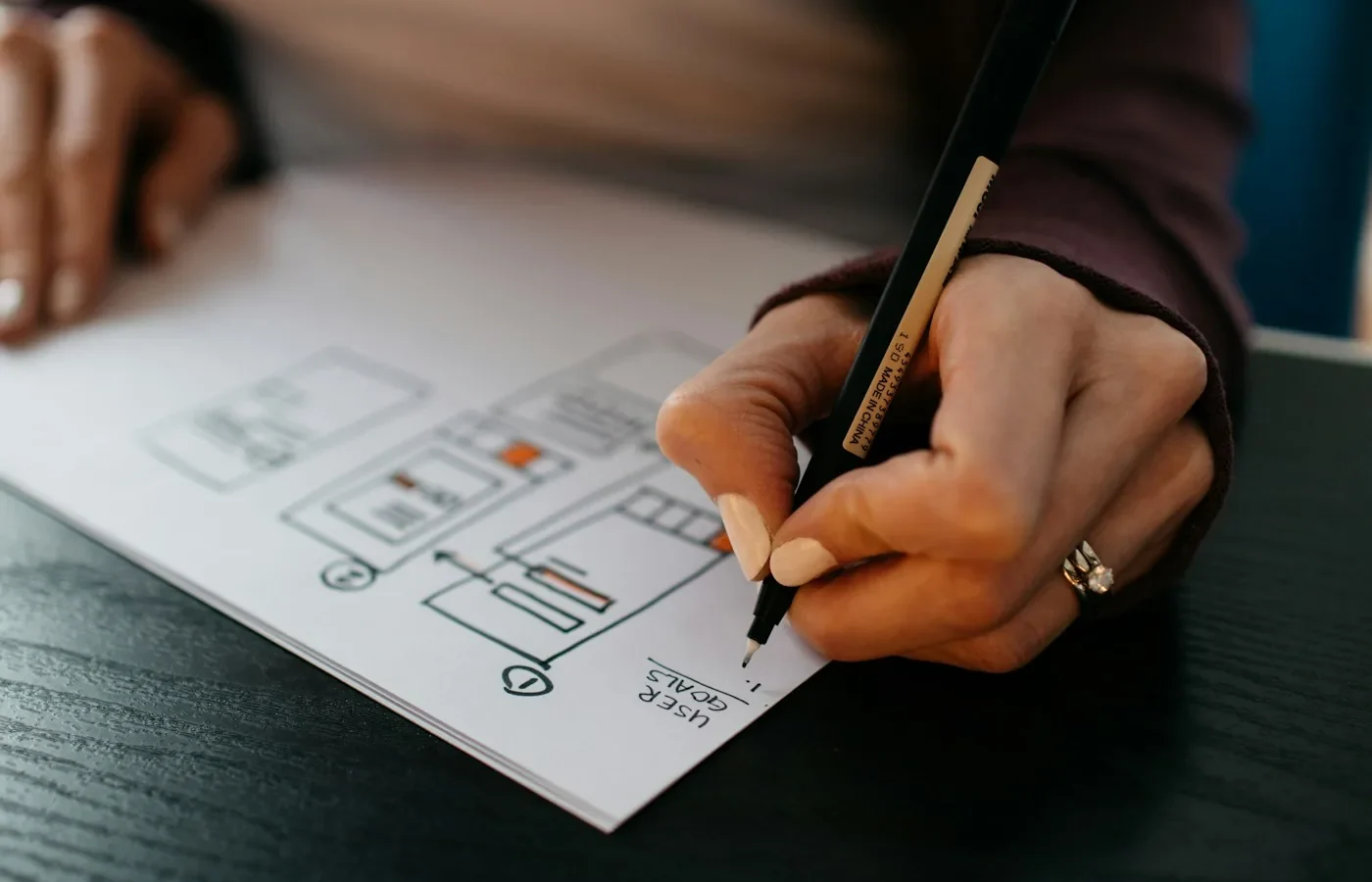
- Design in Figma: person, AI helps with variants and image preparation
- Copy draft: AI from our notes, final copy by a person
- Coding: person, AI writes the repeating blocks
- Testing: AI checklists, final check by a person
Every step has one person responsible. AI does not get to make any decision that could not be checked and explained to the client.
What it means for you as a client
Shorter timelines and fewer hours on routine, which means a lower price for the same quality. For a simple website the average time from the first conversation to launch is about three weeks. At the same time every decision that affects your business stays with a person, and you know who that is.
How to spot a “vibe-coded” site
- The copy sounds smooth but says nothing specific about the company
- The site looks good on desktop but breaks on mobile
- Forms send data, but nobody checks where it ends up
- There is nobody responsible for maintaining the site
Frequently asked questions
Does AI-written copy hurt SEO?
Google judges quality and usefulness, not how the text was produced. What hurts is mass-generated, empty content. Copy that an expert has checked and added to does not have this problem.
Does AI make the website cheaper?
Partly, yes, because routine takes less time. But design, structure and responsibility for the result are still human work, and that makes up most of the value.