“Welcome to our website!” is a sentence that takes the best spot on the page and says nothing. The visitor is already here. What they want to know is whether you can solve their problem, and they will decide that in a few seconds.
What the first screen must say
Four things, ideally in one headline and one sentence beneath it: what you do, for whom, where, and what the next step is. If any of these is missing, the visitor has to guess, and nobody wants to guess.
Compare. “Quality and reliability since 2005” versus “We repair and service heating boilers in Riga and the surrounding area. A technician at your door within 48 hours.” The second is longer, but you can respond to it with a phone call.
Phrases to cut
- “Welcome to our website”
- “An individual approach to every client”
- “Innovative solutions”
- “High quality at an affordable price”
- “We are a young, dynamic team”
All of these sentences are true of any business, so they say nothing about you. If a sentence could go on a competitor’s site and still be true, you can delete it.
Instead, use facts that can be checked: years in business, number of jobs completed, lead times, guarantees, specific clients or industries. People trust facts more than adjectives, and search engines can use them too.
How to rewrite: three examples
Service description
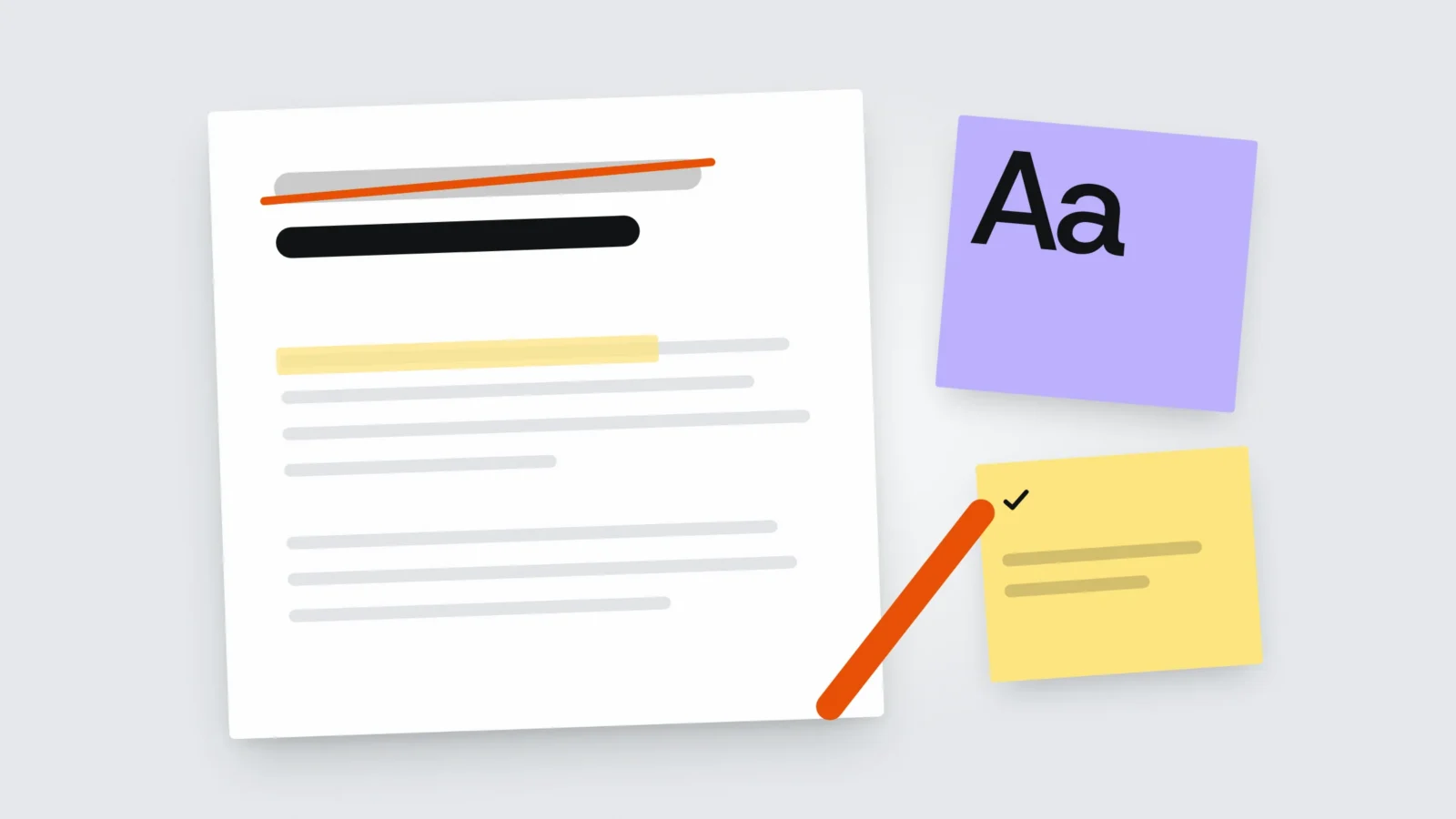
Before: “We offer a wide range of accounting services.” After: “We handle the accounts of limited companies (SIA) with up to 20 employees. A fixed monthly price, reports filed by the State Revenue Service (VID) deadlines, one accountant all year round.”
About us
Before: “Our team are professionals with many years of experience.” After: “The company was founded in 2012 by a craftsman who still goes out to the most complex jobs himself.”
Call to action
Before: “Contact us.” After: “Send us a photo and we’ll give you a price by tomorrow.” A specific next step with a specific benefit.
The structure of a service page
Every service page works with the same order, because it answers questions in the order the customer asks them.
- What
- What exactly you do and who it is for. In the first paragraph.
- How much
- A price guide, or what the price depends on. Even “from” is better than nothing.
- How
- The process in steps, and timelines.
- Proof
- Completed work, reviews, figures.
- FAQ
- Questions customers ask on the phone.
Headlines that work for Google too
The page title in search results and the H1 on the page are not the same thing. The search title should contain the service and the location, for example “Boiler repair in Riga | Company”. The H1 on the page can be more human, but it still has to say what the page is about. The meta description is not a ranking factor, but it decides whether someone clicks, so put a concrete benefit in it as well.
The five-second test
Show your homepage to someone who doesn’t know you, for five seconds. Then ask: what does this company do, for whom, and what should I do next? If they can’t answer all three, the copy needs rewriting, not the design repainting.
Write the way people search
People search in plain words: “how much does a new roof cost”, not “roof covering reconstruction services”. If your copy doesn’t contain the words a customer types into Google, the page won’t show up for them, however convincing it is. These same simple, concrete sentences are also the ones AI assistants find easiest to quote.
Frequently asked questions
How long should homepage copy be?
Long enough to answer the main questions, and not a word more. The homepage is a guide to your service pages, where the copy can be longer and more detailed.
Can I write the copy myself?
Yes, and it is often a good start, because you know your business best. We help with structure, search terms and copy that fits the page design.