Entering neighbouring markets looks simple: translate the site, add a language switcher and you’re done. The Mix Max example shows that translation is only the start. A shopper in Vilnius or Tallinn compares you with local stores, and every small mismatch costs a sale.
The situation
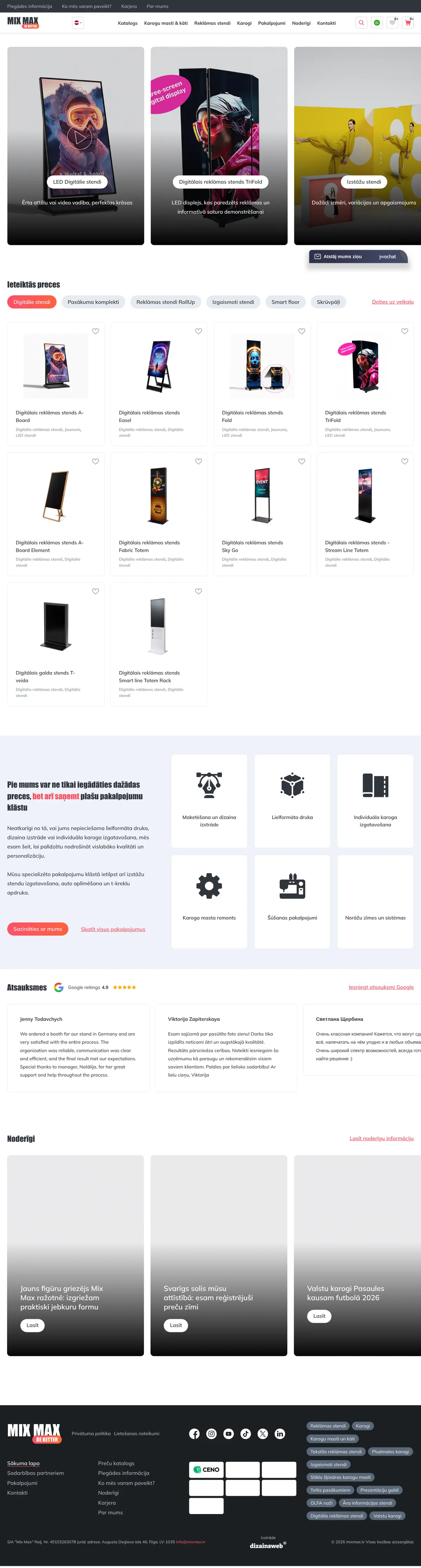
Mix Max is a Latvian e-commerce company that also sells in Lithuania and Estonia. The store runs on WordPress and WooCommerce. The goal was one store, one warehouse and one admin, but three markets where every shopper feels they are in a local store.
From Riga the Baltic countries look alike, but shopping habits differ: different carriers, different banks, different words for the same products. So we treated each market as a separate project on a shared technical base, not as a language switcher on the existing site.
What we changed
- Structure
- Language versions as subfolders on one domain, for example mixmax.lv/ee/. One domain builds up trust with Google, while each language has its own address and hreflang tags.
- Translations
- Texts were prepared for translators in a structured way, with context for every block. A person translates, not a plugin, because product names and search terms differ in each language.
- Emails
- Order, payment and delivery notifications in the shopper’s language. A Lithuanian shopper gets a Lithuanian email, not a Latvian message with a translated subject line.
- Advertising
- Separate Google Ads campaigns for each market, with local keywords prepared by the translator rather than translated from Latvian.
What we learned
Search terms don’t translate
A word that thousands of people search for in Latvia can look completely different in Estonia. That is why we build the keywords for each country from the work of someone who thinks in the local language, not from a translation. Otherwise the page is in the right language but targets the wrong words.
Delivery is part of the product
Parcel locker networks in the Baltics overlap only partly. Shoppers want to see the carrier they know and their nearest parcel locker right in the cart. The delivery options in each country must be local, with price and delivery time shown before payment.
Payments must match the banks
Each country has its own most popular banks. A payment aggregator that brings the Baltic banks together lets you show familiar bank links in every market without connecting each bank separately.
VAT needs an accountant’s say
When selling to private customers in other EU countries, above the common EU threshold you must apply the buyer’s country VAT, usually through the OSS scheme. Technically WooCommerce supports this, but we always agree the settings with the client’s accountant.
How it works day to day
One store means one stock balance, one order list and one person managing the products. A new product is added once, followed by translations and prices for each market. That is considerably cheaper than three separate stores, each needing its own stock and promotion updates.
One thing does need deciding before a market opens: who will answer shoppers, and in which language. A shopper who received an order email in their own language expects questions to be answered in that language too. If support is only available in Latvian, say so honestly rather than letting it come out after the first complaint.
What you can replicate
- Languages as subfolders on one domain with hreflang
- Human translation, especially for product names and categories
- Local keywords for each country
- Order emails in the shopper’s language
- Local parcel lockers and banks in each market
- VAT settings agreed with your accountant
Check for yourself
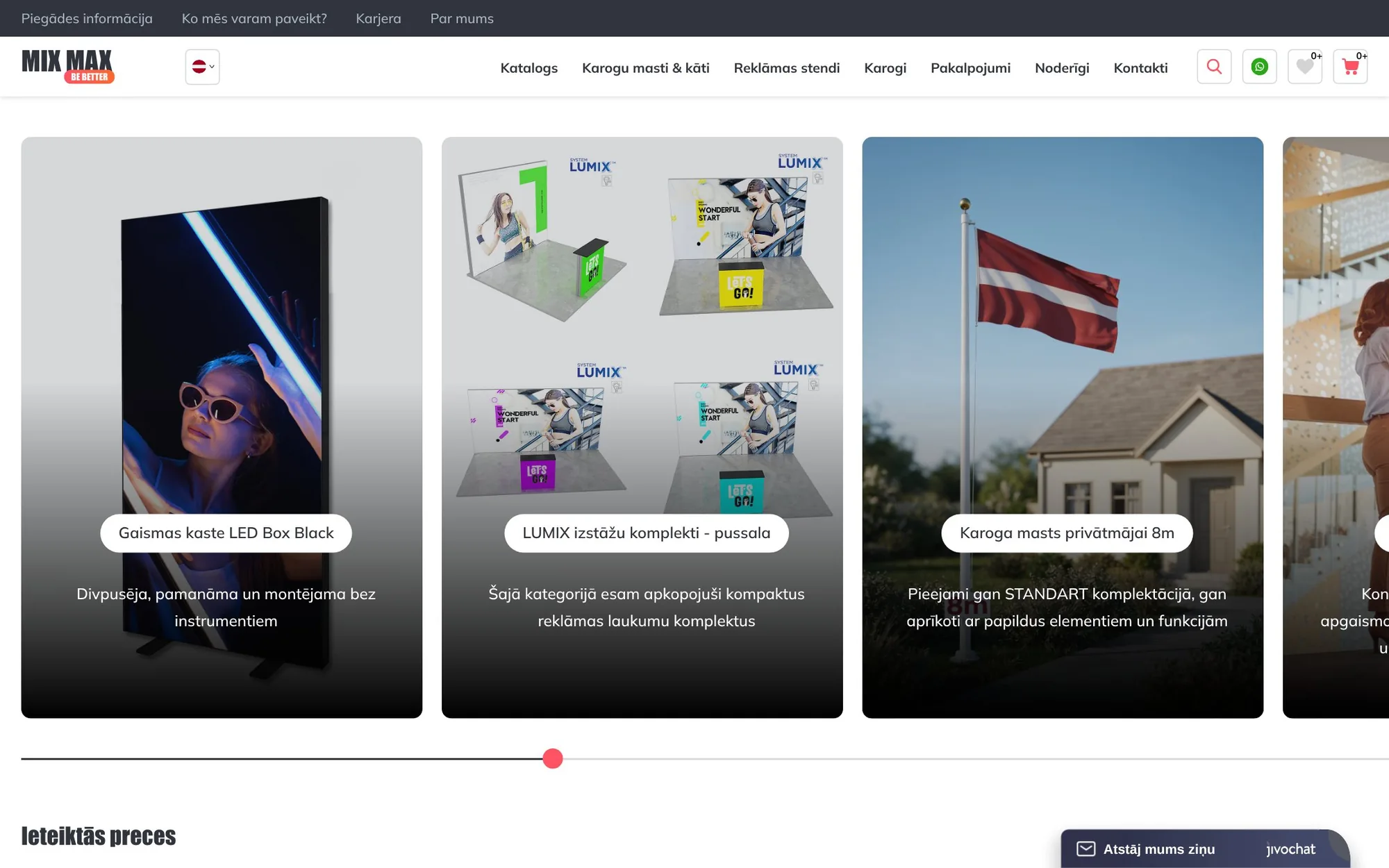
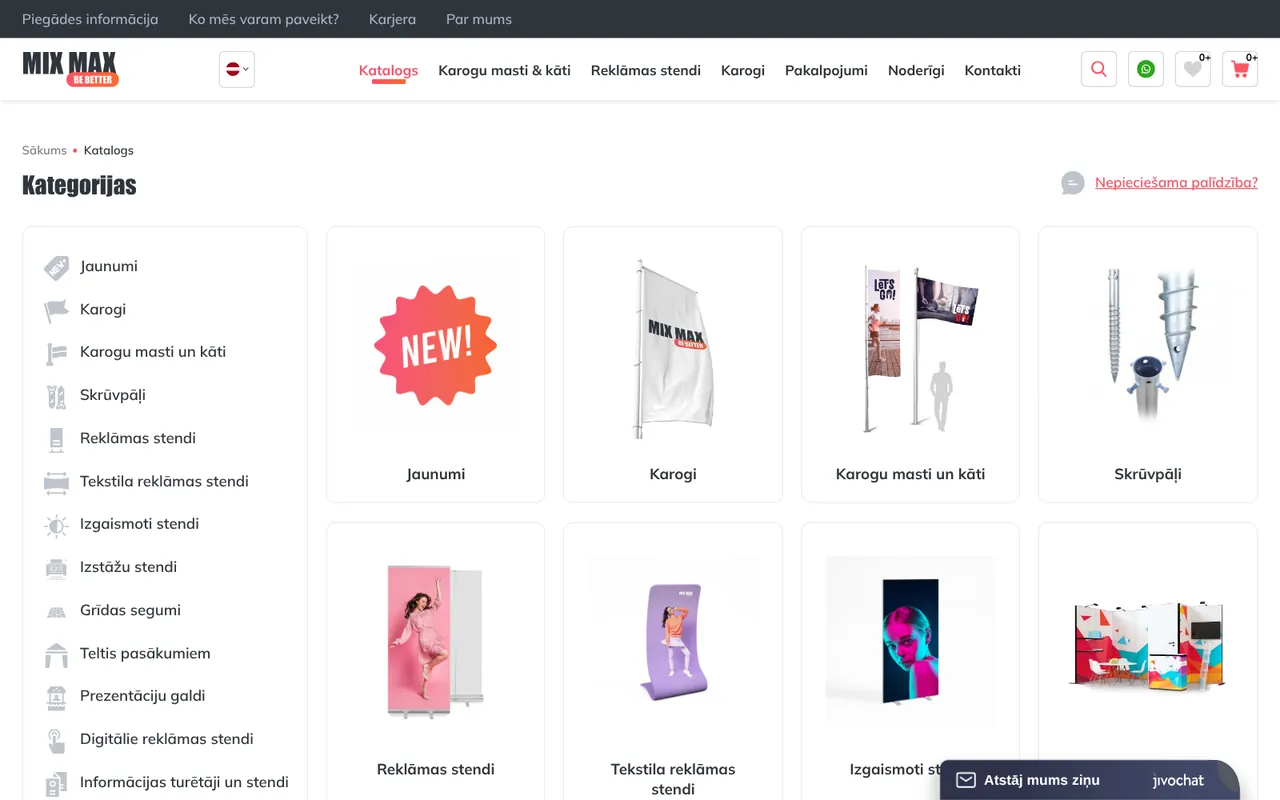
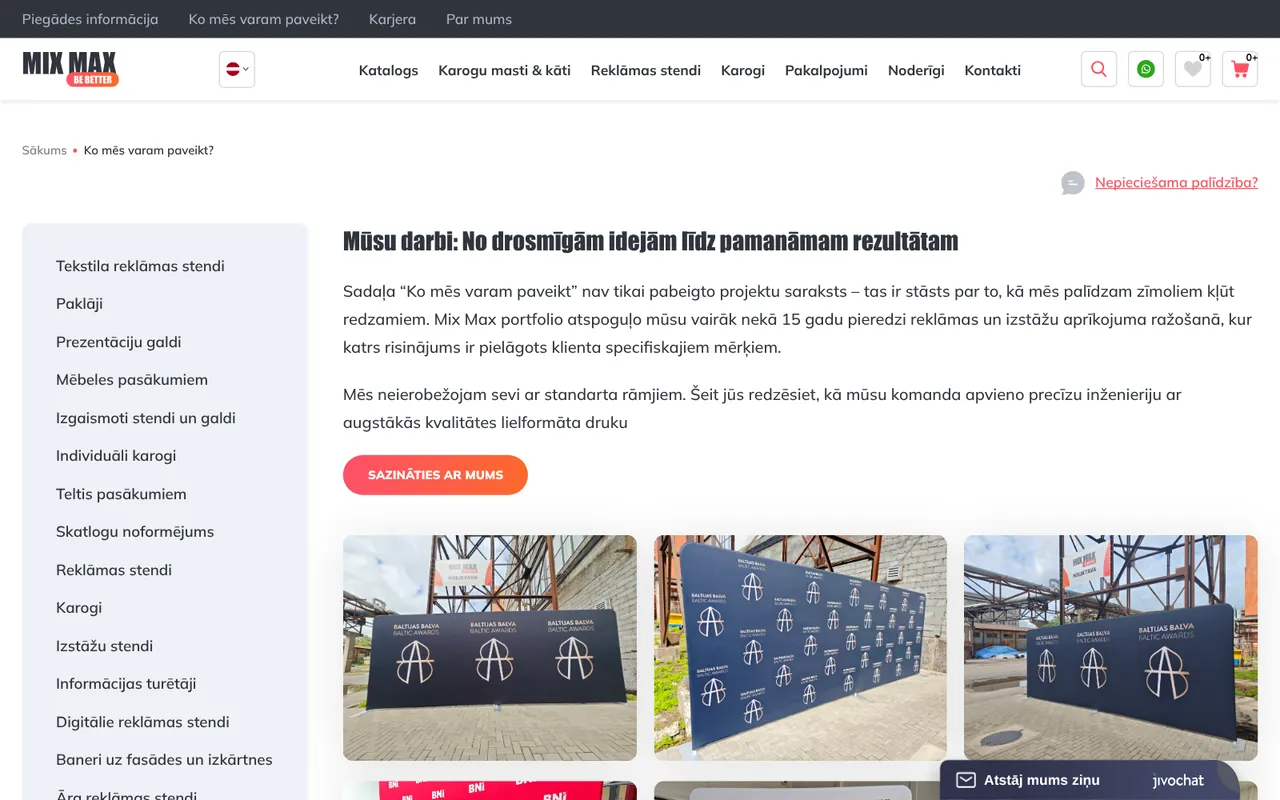
Everything you've read about is live. Open mixmax.lv and explore these sections yourself.
Frequently asked questions
Does each country need its own domain?
Not necessarily. Subfolders on one domain are easier to maintain and inherit the domain’s trust. Separate domains make sense if each country has a different company or product range.
Is automatic translation enough?
For a first draft, yes. For publishing, no: product names, legal texts and search terms must be checked by someone who speaks the language.